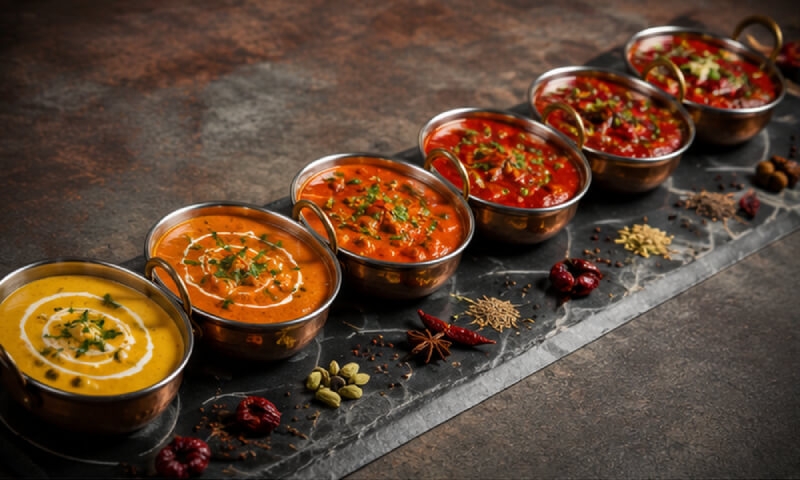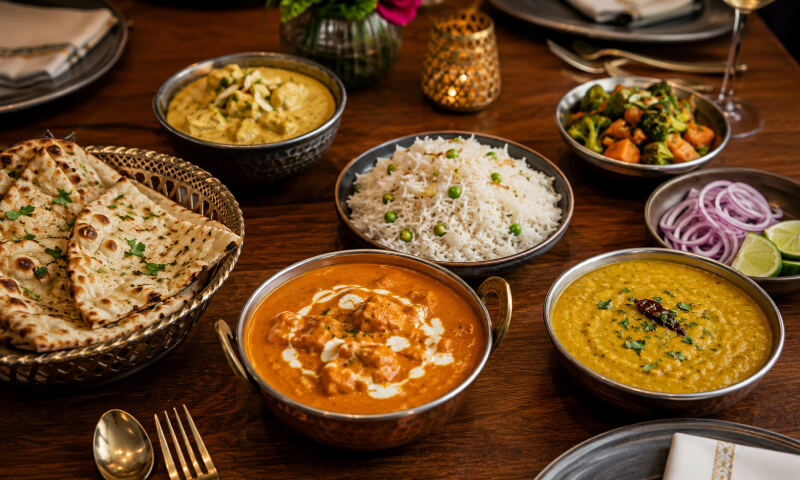
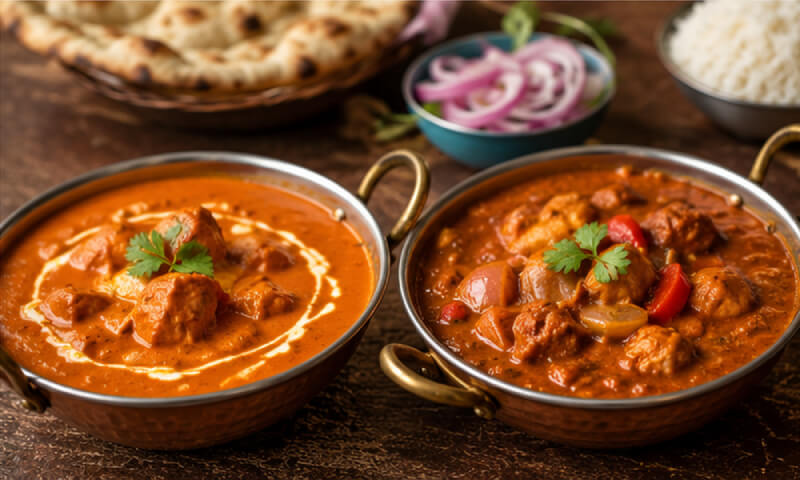
Butter chicken and chicken tikka masala both start with tandoor-cooked chicken in a tomato and cream sauce, which is why they look so alike on the table. The difference is the gravy. Butter chicken is smoother, sweeter and heavier on butter, cream and dried fenugreek. Tikka masala is looser and tangier, with more onion, ginger and garlic, a bolder garam masala, and usually a little more heat.
We cook both, every single night
There’s no point pretending this is a neutral explainer. Jasvinder has cooked both of these at Ice n Spice since 2014, and between them they account for a large share of what leaves our kitchen on Margaret Street on a Friday night. People order them side by side, then ask why they taste different when the menu photos look so similar.
Here’s the answer we give at the table.
What butter chicken actually is
Butter chicken (murgh makhani) is a Punjabi dish. Chicken is marinated in yoghurt and spices, cooked in the tandoor until the edges catch, then finished in a separate gravy made from tomato, butter and cream.
The gravy is where it lives or dies. Tomatoes are cooked down long enough to lose their raw edge and go slightly sweet. Butter goes in, then cream, then a pinch of kasoori methi (dried fenugreek leaves) crushed between the palms at the end. That fenugreek is the smell people recognise as butter chicken without ever knowing what it is. It’s savoury, faintly bitter and a bit like maple. Take it out and the dish tastes flat and oddly sweet.
Good butter chicken is silky. No visible onion, no chunks, no grit. We’ve written a longer explainer on what butter chicken is if you want the full version.
What chicken tikka masala actually is
Chicken tikka masala starts the same way. Chicken tikka means the chicken has been marinated (yoghurt, ginger, garlic, chilli, garam masala) and cooked in the tandoor on skewers. Masala just means a spice mixture. So the name is literally tandoori chicken pieces in a spiced sauce.
The sauce is the part that separates it. Ours is built on onions cooked down properly, ginger and garlic, tomato, capsicum, ground spices and cream, with the yoghurt from the marinade still doing work in the background. It’s a thicker, more textured gravy. You can see it. There are bits in it.
Where butter chicken is round and sweet, tikka masala has corners. More cumin and coriander seed coming through, more warmth from the garam masala at the end, a tang from the tomato and yoghurt that butter chicken smooths over with cream.
The gravy is the entire argument
Both dishes use tandoor-cooked chicken. That surprises people, who assume butter chicken is simmered in its sauce. Traditionally it isn’t. It’s the same tandoori chicken, sometimes literally yesterday’s, which is how the dish is said to have started.
So the honest answer is that the difference sits almost entirely in the pot the chicken goes into afterwards:
- Butter chicken: tomato, butter, cream, cashew or almond for body in some kitchens, kasoori methi at the finish. Smooth. Sweeter. Very little chilli.
- Tikka masala: onion base, tomato, capsicum, ginger and garlic, ground spice, cream to soften rather than to dominate, garam masala at the end. Textured. Tangier. Noticeably more spice.
Everything else people think separates them (the colour, the chicken, the naan they eat it with) is basically the same.
Which one is hotter?
Tikka masala, comfortably. Not hot in any serious sense, but there’s a level of warmth in it that butter chicken doesn’t have.
Butter chicken is the mildest thing on most Indian menus in this country, ours included. Plenty of spice, almost no chilli, which is worth understanding before you order for a table with kids at it. We’ve covered that in is butter chicken spicy.
Tikka masala sits a step up. Still mild by the standards of a Rajasthani kitchen, but you’ll know you’re eating a curry. Ask if you want it hotter or milder. We cook to order and the spice level is yours to set.
Where they came from, and why nobody agrees
Butter chicken is usually credited to Moti Mahal in Delhi in the 1940s and 50s, where the story goes that leftover tandoori chicken was revived in a tomato and butter gravy so it wouldn’t dry out or go to waste. That’s the version most widely told, and the family associated with the restaurant has defended it in public for decades. It’s still a claim rather than a documented fact, and there are competing accounts.
Tikka masala is properly contested. One camp says it was invented in Glasgow in the 1970s by a Bangladeshi chef who added a tin of tomato soup to tandoori chicken for a customer who wanted gravy. Another says it’s a British restaurant version of dishes that already existed across Punjab and Delhi. We’re not going to settle it in a blog post, and anyone who states the origin flat out as fact is overreaching.
What isn’t contested: both dishes came out of the tandoor tradition of north India, and both were shaped by what customers outside India wanted, which was more sauce.
So which one is better?
Tikka masala. We’ll defend it.
Butter chicken is a genuinely great dish cooked properly, and it’s the safest order on any Indian menu in Australia for good reason. But it’s been sweetened and softened over twenty years of takeaway competition until a lot of versions taste closer to tomato soup than to anything from Delhi. It’s the dish most often made badly, because it’s the one most often made in bulk.
Tikka masala gives the kitchen more to work with. The onion base takes time and can’t be faked. The spices sit further forward, so you can actually taste whether someone ground and bloomed them or tipped in a powder. And the tang stops it going cloying halfway through, which matters when you’re eating a full plate with rice and naan on a cold Toowoomba night in July.
If you disagree, you’re probably right about your own dinner. This is a preference, not a fact. But if you’ve only ever ordered butter chicken because it’s the one you know, tikka masala is the upgrade sitting right next to it on the menu.
Which should you order?
Order butter chicken if you want mild and rich, you’re feeding kids, or you’re introducing someone to Indian food for the first time. It’s also the better one with plain naan, because the bread doesn’t have to compete.
Order tikka masala if you want more actual curry flavour, you don’t mind a bit of warmth, or you’ve had butter chicken a hundred times and it’s stopped registering.
Order both if there are two or more of you. This is what we’d actually suggest. Get one of each, a garlic naan and some jeera rice, and split them.
And if neither is quite it, we cook Laal Maas, the fiery Rajasthani lamb from Jasvinder’s home state, at the other end of the menu entirely. Different conversation.
Frequently asked questions
Is butter chicken the same as tikka masala?
No. They’re related but distinct. Both use tandoor-cooked chicken in a tomato-based cream sauce, but butter chicken’s gravy is built on butter, cream and dried fenugreek and is smooth and sweet, while tikka masala uses an onion, ginger and garlic base with more ground spice and a tangier, more textured sauce. Tikka masala is also slightly hotter.
Which is milder, butter chicken or tikka masala?
Butter chicken. It’s the mildest curry on most Australian Indian menus. Tikka masala has more chilli and more garam masala, so there’s a gentle warmth to it. Neither is hot. At Ice n Spice you can order either at mild, medium or hot, so the spice level is up to you.
Does butter chicken use tandoori chicken too?
Yes, traditionally it does, and that catches people out. The chicken is marinated in yoghurt and spices and cooked in the tandoor first, then added to the gravy. The original Delhi version is said to have been made with leftover tandoori chicken. Cooking the chicken separately rather than simmering it in the sauce is a big part of why restaurant butter chicken tastes different to the homemade version.
Which one is sweeter?
Butter chicken, clearly. Cooked-down tomato, butter and cream give it a natural sweetness, and many kitchens add a little sugar or honey on top of that. Tikka masala keeps more acidity from the tomato and yoghurt, so it reads as savoury and tangy rather than sweet.
Is tikka masala Indian or British?
Contested. One account credits a Bangladeshi chef in Glasgow in the 1970s. Another says it’s a British restaurant adaptation of tandoori chicken dishes that already existed in Punjab and Delhi. Nobody has proven either version. The technique it’s built on, marinating and cooking chicken in a tandoor, is unambiguously north Indian.
Which is better with rice, and which with naan?
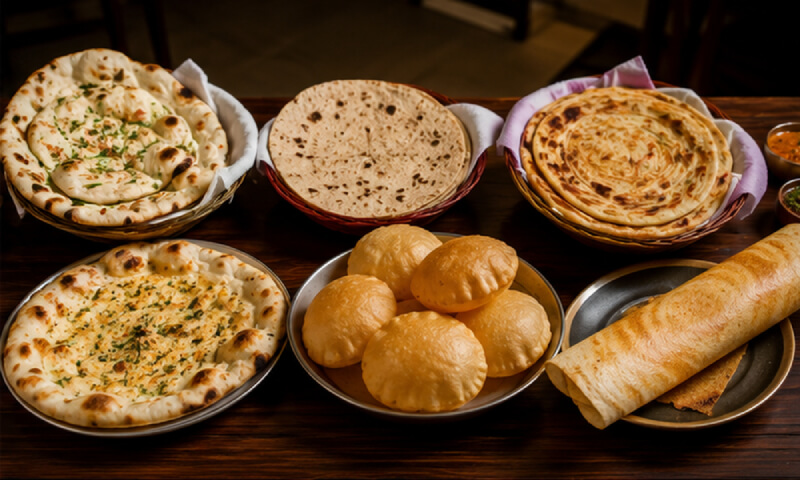
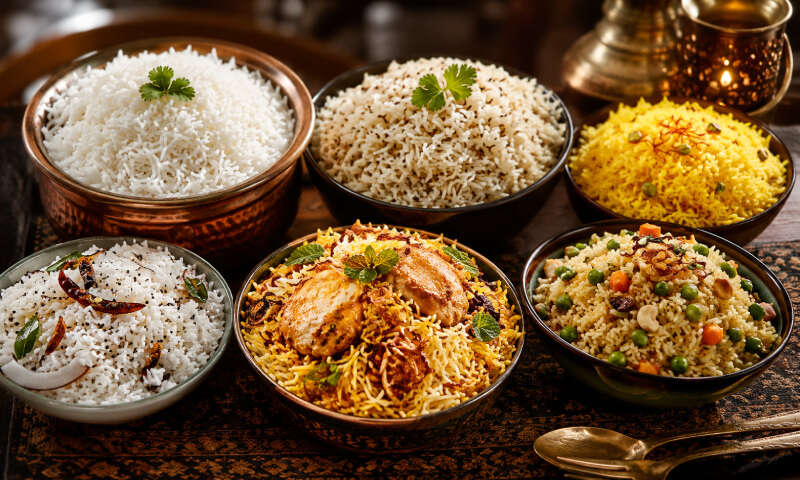
Butter chicken suits plain naan or butter roti, because the bread stays out of the way of a rich, sweet gravy. Tikka masala holds up better against garlic naan and works well with jeera rice, where the cumin picks up the spices in the sauce. Coconut rice is good with butter chicken if you like the sweetness pushed further.
Can I get either one gluten free?
Both curries are gluten free as we cook them. The problem is the bread. Every naan and roti on our menu contains wheat, so order rice instead. We’ve been voted number one for gluten free in Toowoomba by local diners, and we take cross-contact seriously, so tell your waiter when you order rather than at the end.
What’s the vegetarian version?
Paneer Butter Masala is the closest thing to butter chicken without the chicken, using the same style of tomato and cream gravy with cubes of paneer. Malai Kofta is another good option if you want something rich. There’s no direct paneer tikka masala on our menu, but Shahi Paneer sits in similar territory.
Which one do you sell more of?
Butter chicken, by a distance, and it isn’t close. It’s the default order for a lot of Australians. That doesn’t make it the better dish, it makes it the more familiar one. Plenty of regulars who started on butter chicken now order tikka masala or Karahi Chicken instead.
If you want to settle this one properly, the next time you’re on Margaret Street order one of each and put them next to each other. Butter Chicken and Chicken Tikka Masala are both on the full menu, both cook to whatever spice level you ask for, and both travel fine if you’re getting takeaway.